Featured
Table of Contents
This is not indicated to be an extensive list but is created simply to offer you a feeling of what logical psychology is all about. The personal subconscious stands for whatever within the person's mind that is unidentified to them. One of the distinguishing qualities of depth psychology is that it suggests multiple degrees of the unconscious.
For Jung, the cumulative subconscious is a database of primordial photos (archetypes) and behavior patterns that are universal (cross-cultural) and age-old. Jung thought about these pictures "cumulative" since they were not acquired by individuals in their life time. That is, the archetypes within the cumulative unconscious didn't stand for found out actions. They were easily accessible to all.
Sheldrake, Morphic Resonance: The Nature of Formative Causation, 2009.) The subconscious stands for the totality of one's being, including the body, mind, reactions, spirit, and spirit. For Jung, there was an individual psyche pertaining to the person's personality and lived experiences, and a cumulative subconscious shared by all. In modern-day psychology, the term mind is sparsely used, as it has actually been changed by mind.
Steps of Trauma Healing
Each of us has a dominant feature and an inferior feature. Your is your main ways of examining information. Your is the opposite of your leading function; it represents your weakest muscle in terms of refining information.
These prehistoric photos stand for the set patterns of actions found in the cumulative unconscious. Archetypes represent semi-autonomous subpersonalities within the psyche that affect most human actions. Jung's work concentrated on just a handful of archetypes, including the mom, the father, the youngster, the sensible old man, the hero, the trickster, the anima/animus, the darkness, the maiden, and the self.
Visual Methods to Trauma Processing
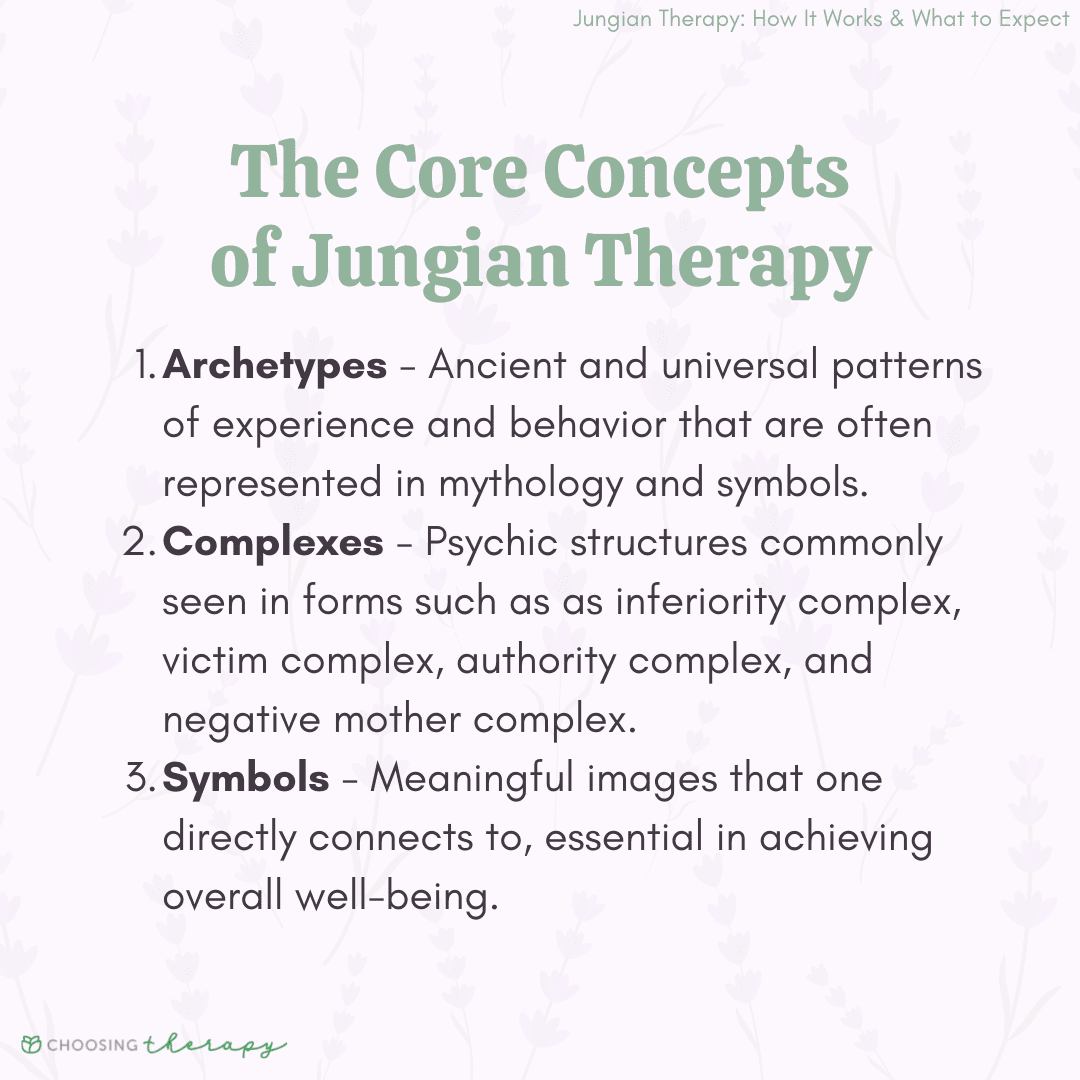
See: and While the archetypes are universal and impersonal, the complexes are totally personal. An individual facility is a cluster of emotions based on the person's previous experiences.
A guy with a mom facility can not carry his masculine energy to become an independent, mature adult. The shadow represents every little thing the specific divorces or cuts off from themselves in early growth. It's occasionally referred to as the disowned self. Being familiar with and integrating the darkness is an important primary step in one's individuation.
Developing Internal Capacity during Image Transformation therapy
Jung saw the anima-animus as jazzing up souls or spirits within guys and females. For Jung, anima and bad blood are essential building blocks in the psychic structure of every male and female.
When it comes to C.G. Jung's analytical psychology, the two main techniques are: Desire evaluation Energetic creative imagination The primary goal of deepness psychology is to construct awareness so the individual can bring the subconscious to consciousness to attain psychic wholeness. Clients (the analysands) meet their expert normally every week.
Dream evaluation (or "dream work") was the central approach for exposing the subconscious in Jung's analytical technique. For Jung, fantasizes given a method for us to bridge the void between our mindful mind and our subconscious.
Jung used energetic imagination to augment his dream evaluation. See: Many of the overviews connected above include a "reading list" for those who intend to check out these concepts in greater detail. Here, I'll highlight a couple of excellent "access factors" to this job: Memories, Dreams, Reflections by C.G. Jung The Portable Jung modified by Joseph Campbell Individuation in Fairy Tales by Marie-Louise von Franz The Shadow and Evil in Fairy Stories by Marie-Louise von Franz Since 2014, I've been releasing in-depth overviews on this web site.
Choosing the Right EMDR Specialist in Auburn, CA
In addition to the guides provided above, see additionally: Estimate is a necessary idea in psychoanalytic concept. This guide, inspired by Jungian Robert A. Johnson's outstanding publication Inner Gold, highlights how we commonly forecast the ideal parts of ourselves onto others (and how we can take them back). The mindful mind (or ego) typically withstands internal procedures like shadow job.
This comprehensive overview explores the archetype of the Eternal Kid. Excellent tips for newbies and experienced professionals throughout a range of Jungian-related subjects.
Archetypes have additionally been prominent in forming religions and techniques. As an example, the idea of the Messiah or the Rescuer in Christianity can be viewed as a stereotypical number standing for the hero who rescues humanity from enduring and wickedness. Similarly, the idea of the Wise Old Man, standing for wisdom and assistance, shows up in numerous spiritual and spiritual customs.
How Remote Trauma therapy Works
Using archetypes in New Age methods is frequently connected with the belief in the interconnectedness of all beings and the idea of a cumulative awareness that transcends private identifications. These ideas are not viewed as ways to do magic or see the future. They ar seen as allegories with wich we could obtain an outsider perspective to undertand ourselves.
Jung, a Swiss psychiatrist and psychoanalyst, presented the concepts of the subconscious mind, archetypes, and the cumulative unconscious. Jung's letter to Bill W, dated January 30, 1961, started by recognizing the relevance of AA in assisting people struggling with alcoholism.

Latest Posts
When Systemic Therapy Makes a Difference for Relationship Health
Choosing the Initial Step For Recovery
When Clients Choose Cognitive Behavioral Therapy for Recovery